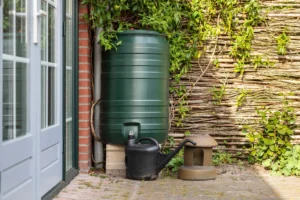

The last few summers have been a reminder that water isn’t something to take for granted. There are plenty of simple ways to use less around the house — Waterwise has a good, practical list here — but the garden is where many of us use the most, especially in a dry spell. That’s why we offered local gardeners free water butts, delivered and fitted.
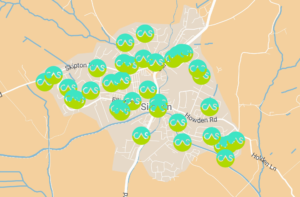
A number of Silsden households took up the offer before the scheme closed. Many were happy to pay for the butt itself and simply glad to have it delivered and fitted for them. We’ve no plans to run the scheme again at the moment, but if that changes we’ll announce it here and on our Facebook page — or sign up for our quarterly newsletter to be first to hear, along with all our other news.
Getting the most from your water butt
A water butt does far more than fill a watering can. A few ideas:
- Happier plants. Rainwater is actually better for the garden than tap water — it’s naturally soft and slightly acidic, which most plants prefer, and it’s a real treat for acid-lovers like blueberries, camellias and rhododendrons.
- Pots and seedlings. Containers dry out fastest, so a butt by the back door makes daily watering effortless.
- Ponds and bird baths. Top them up with rainwater rather than chlorinated tap water — the wildlife will thank you.
- Outdoor jobs. Washing muddy boots, tools, bikes, the car or the patio — none of it needs clean drinking water.
- Store more. If your butt overflows in heavy rain, link a second one to it and catch water you’d otherwise lose.
One handy bonus: even during a hosepipe ban, water from a butt applied with a can is normally still allowed — though it’s worth checking your supplier’s current rules (Yorkshire Water, for us). And two quick tips to keep it working well: stand it high enough to slot a watering can under the tap, and keep the lid on to keep the water clean and see off algae and mosquitoes.
What about bath and shower water?
A question we’re often asked — and a good one. Yes, you can reuse bath and shower water (known as “greywater”) on the garden, and in a dry summer it’s a great way to keep things ticking over. But it’s not one for the water butt.
The reason is simple: rainwater stores happily for weeks, but greywater carries traces of soap, skin and hair, and bacteria build up in it quickly. The RHS advises using it within about a day rather than storing it — so a butt, which is designed for long storage, would soon turn smelly.
The easy way is to use it fresh. Keep a bucket in the shower, or bail the bath out with a watering can, and pour it straight onto the soil — not over the leaves — around established shrubs, trees and flower beds. A few sensible rules from the RHS: avoid anything containing bleach, disinfectant or water softener; keep it off food crops, and never use it on salads or anything eaten raw; and every so often water with rainwater or tap instead, so soaps and salts don’t build up in the soil.
If you’d like to plumb something in more permanently, it’s worth getting proper advice first, as it can have building-regulation implications.
Whether it’s rain from the butt or a canful from the bath, every drop saved is money off your bill — and a little less pressure on our becks and reservoirs through the dry months.